

Making Activated Carbon Process Step by Step
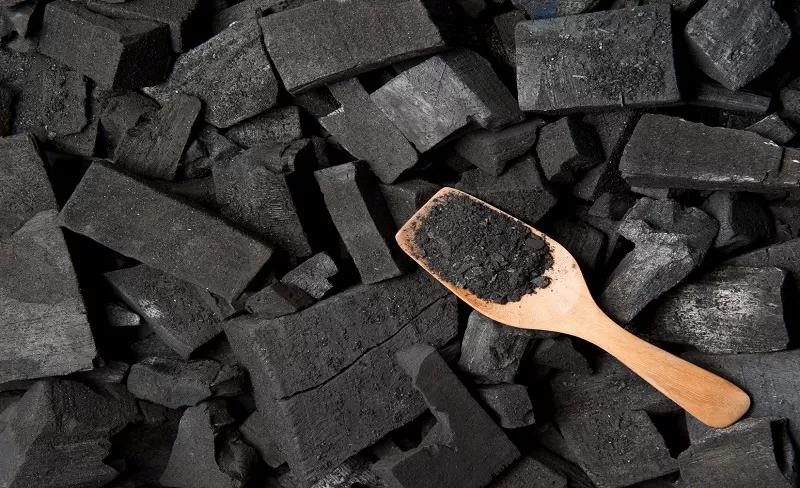
Making activated carbon process step by step is a detailed sequence of operations that transforms carbon-rich organic materials into making activated carbon charcoal with a highly porous structure and excellent adsorption capacity. Activated carbon plays a vital role in industries such as water treatment, air purification, food processing, gold recovery, and pharmaceuticals because of its unique ability to trap impurities, odors, and harmful chemicals. Understanding the production stages is essential for maintaining quality and efficiency.
Raw Material Selection
The first step in the making activated carbon process step by step is to choose the right raw material. Coconut shells are one of the most popular options due to their hardness, high density, renewable nature, and high carbon content—typically above 70%. Other viable sources include hardwood, bituminous coal, peat, or agricultural residues such as nutshells and fruit pits.
High-quality raw materials should have:
- Low ash content to avoid blocking pores
- Strong cell structure to withstand high heat
- Minimal impurities for better adsorption performance
Carbonization
Carbonization is the process of heating the raw material in an oxygen-limited environment at temperatures between 400°C and 800°C. This removes volatile compounds, tars, and moisture, leaving behind a carbon-rich char. During carbonization, the basic pore network begins to form, but adsorption capacity remains limited at this stage.
The process is often carried out in rotary kilns, vertical shaft kilns, or specialized furnaces to maintain consistent heat distribution and prevent combustion.
Activation
Activation is the heart of the step-by-step process for making activated carbon. Its purpose is to enlarge the volume and number of pores to increase adsorption capacity. There are two main methods:
-
Physical activation
The raw char is heated at 800–1000°C with steam or CO₂. These gases react with carbon, opening more pores. -
Chemical activation
Raw material is soaked in chemical agents such as KOH, ZnCl₂, or H₃PO₄ before carbonization. This method works at lower temperatures and often produces more uniform pores.
Cooling and Washing
Once activation is complete, the carbon is rapidly cooled to prevent oxidation. In the case of chemical activation, extensive washing with clean water is necessary to remove residual chemicals and adjust the pH to neutral. This step ensures the final product is safe for sensitive applications such as drinking water filtration or food processing.
Drying and Sieving
The activated carbon, once washed, is heated to around 110°C to decrease its moisture content. After drying, sieving is performed to separate particle sizes according to the intended application—for example, fine powder for pharmaceuticals or larger granules for industrial filters.
Storage and Packaging
Activated carbon should be stored in airtight containers or moisture-proof bags to preserve its adsorption properties. Poor storage can lead to pore saturation with ambient moisture or contaminants, reducing effectiveness. Proper packaging also ensures the product remains uncontaminated during transportation and storage.
Conclusion
The making activated carbon process step by step is a carefully controlled series of operations where each stage—raw material selection, carbonization, activation, cooling, washing, drying, and packaging—has a direct impact on the quality of the final product. By following the correct procedures and maintaining precise temperature, time, and handling conditions, manufacturers can produce activated carbon with superior surface area and pore structure. This makes it an invaluable material for environmental protection, industrial processing, and public health.