

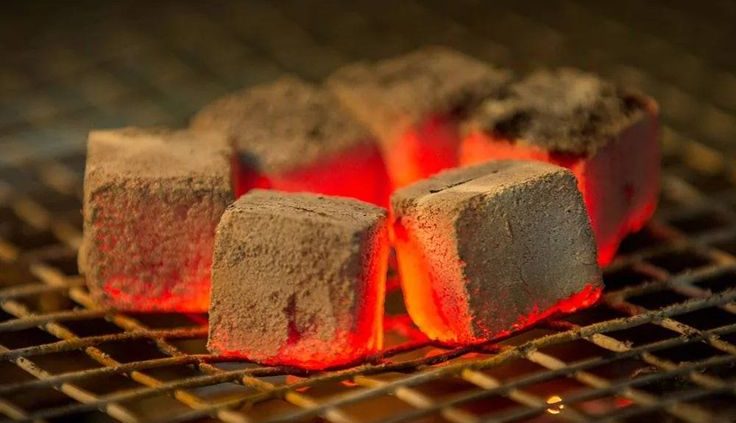
Charcoal briquette strength is one of the most important quality indicators in the solid fuel industry. Strong briquettes are able to withstand handling, transportation, and combustion processes without breaking apart. When charcoal briquette strength is optimized, users benefit from longer burn time, stable heat output, and reduced material waste.
In today’s competitive market, manufacturers and buyers pay close attention to product durability because it directly affects efficiency and cost. Well-formed briquettes are widely used in industrial boilers, metal processing, and household cooking. Understanding how structural quality is developed and evaluated helps ensure consistent fuel performance.
Understanding Charcoal Briquette Strength
Mechanical resistance describes a briquette’s ability to withstand pressure, impact, and surface wear. Well-formed briquettes are able to maintain their shape during storage and use, while poorly structured ones tend to break apart easily.
Several physical properties influence briquette strength, including density, moisture content, and particle bonding. Without proper strength, briquettes lose their functional value even if they have high calorific content.
Key Factors Affecting Briquette Strength
-
Raw Material Quality
High-quality charcoal, especially from coconut shells, produces stronger bonding between particles. -
Binder Composition
Natural binders like starch improve cohesion and help increase charcoal briquette strength. -
Compression Pressure
Higher pressing pressure results in denser and more durable briquettes.
Briquette Strength Testing Methods
Testing charcoal briquette strength is essential for quality control. Manufacturers rely on standardized tests to evaluate durability before distribution.
Common methods include drop tests, compression tests, and abrasion resistance tests. Each test provides insight into how briquettes perform under real-world conditions.
Common Strength Testing Techniques
-
Drop Test
Briquettes are dropped from a specific height to measure resistance to impact. -
Compression Test
Pressure is applied to determine maximum load-bearing capacity. -
Abrasion Test
Measures surface wear during handling and movement.
Briquette Strength and Coconut Shell Briquettes
Coconut shell briquettes are known for their superior mechanical properties. One major reason is the natural hardness and density of coconut shell charcoal. This directly relates to the advantages of coconut shell briquettes, which include higher charcoal briquette strength, longer burn time, and cleaner combustion.
These benefits make them popular in shisha, BBQ, and industrial applications. For more business insights and production guidance, you can also explore trybisnis.com as a practical resource for entrepreneurs in the charcoal industry.
Why Coconut Shell Improves Strength
-
Dense Carbon Structure
Coconut shells create compact briquettes with high resistance. -
Low Ash Content
Less residue helps maintain structural integrity during burning.
Improving Briquette Strength in Production
Manufacturers can improve charcoal briquette strength by optimizing production parameters. From raw material selection to drying processes, every stage plays a role.
Consistent monitoring and testing help maintain uniform quality across batches. Strong briquettes not only perform better but also increase brand trust.
Production Optimization Tips
-
Control Moisture Levels
Proper drying prevents internal cracks. -
Use Balanced Binder Ratios
Too much or too little binder reduces strength.
Future Outlook of Charcoal Briquette Strength
Briquette strength is a critical factor that defines product performance, durability, and market value. Strong briquettes reduce waste, improve combustion stability, and support efficient energy use across various applications.
By understanding the factors that influence charcoal briquette strength and applying proper testing and production techniques, manufacturers can deliver reliable fuel solutions. Combined with the advantages of coconut shell briquettes, high-strength charcoal briquettes remain a top choice for sustainable and industrial energy needs.


